
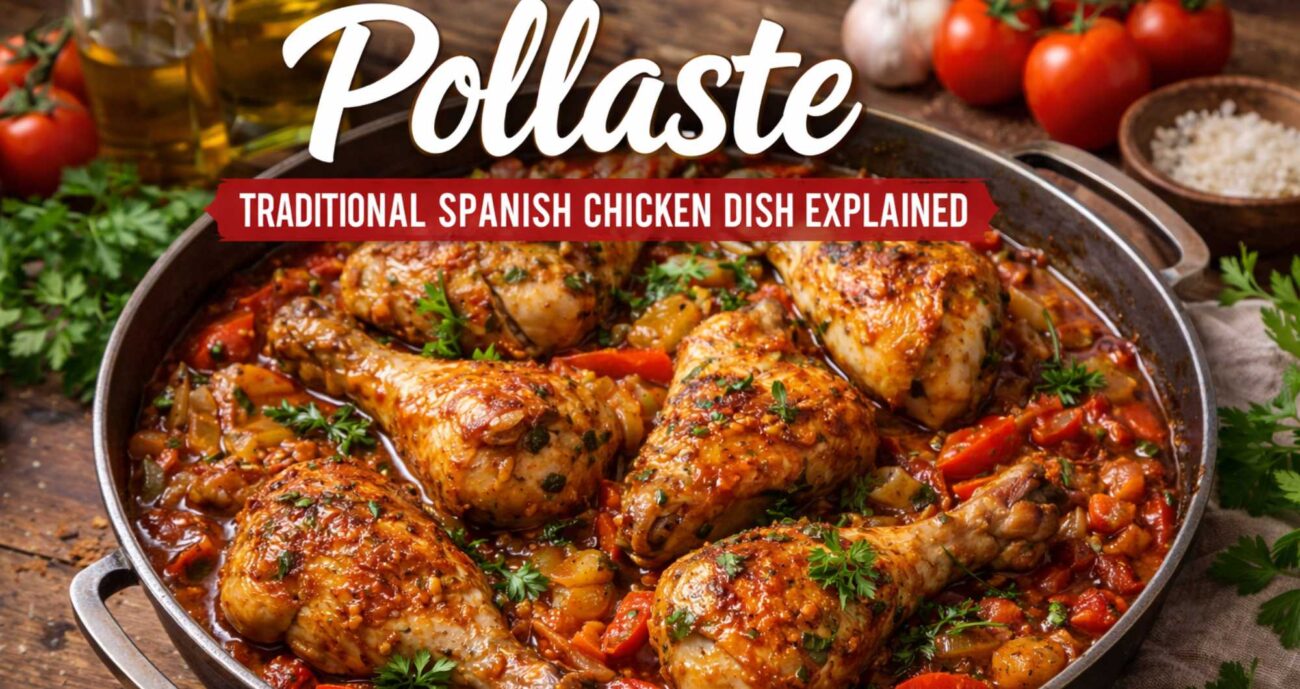
When it comes to traditional Spanish cuisine, few dishes evoke the warmth and richness of pollaste. This flavorful chicken dish has deep roots in Spain’s culinary tradition, offering a delightful blend of spices and ingredients that showcase the country’s vibrant culture. Whether you’re a seasoned cook or just beginning your journey into the world of Spanish food, understanding pollaste is essential for anyone interested in authentic flavor profiles.
With its origins steeped in history and regional diversity, pollaste is not merely a meal; it’s an experience that connects us to generations past. In this blog post, we will unravel the various aspects of this iconic dish—from its key ingredients to cooking methods—ensuring you feel inspired to try making it at home. Get ready to explore why pollaste remains a beloved staple on many dining tables across Spain!
What Is Pollaste?
Pollaste is a traditional Spanish chicken dish known for its rich flavors and aromatic spices. Often referred to as “pollo al ajillo” or garlic chicken, this recipe highlights the art of cooking with simple yet high-quality ingredients. The heart of pollaste lies in the tender pieces of chicken, marinated and cooked to perfection.
This dish typically features a variety of seasonings that enhance its taste profile. Garlic, paprika, and olive oil are common staples that contribute depth and complexity. While each region may have its unique twist on pollaste, the essence remains consistent: showcasing succulent chicken infused with vibrant flavors.
While it’s often prepared for family gatherings or special occasions, pollaste has also made its way into everyday meals across Spain. Its versatility allows cooks to experiment with different herbs and vegetables according to local preferences or seasonal availability.
As you delve deeper into the world of Spanish cuisine, understanding pollaste will open doors to new culinary experiences. Its history reflects not just a meal but a celebration of culture through food—a true delight for any lover of gastronomy.
The Origin and Cultural Background of Pollaste
Pollaste has deep roots in Spanish culinary traditions, particularly in regions like Andalusia. This dish reflects the history and cultural influences that have shaped Spanish cuisine over centuries. The fusion of flavors from various cultures, including Moorish and Mediterranean influences, is evident in its preparation.
Historically, Pollaste was a staple among rural communities. Families would gather to enjoy this hearty meal during festive occasions or family gatherings. It represents not only sustenance but also community bonding through shared labor and love for cooking.
As Spain evolved through trade and exploration, so did Pollaste. Ingredients were adapted based on availability while local spices infused unique regional characteristics into the dish. Each area added its flair, making every version of Pollaste distinct yet inherently similar.
In modern times, Pollaste continues to be cherished as part of Spain’s rich gastronomic heritage. Its presence at celebrations underscores its significance as a symbol of tradition passed down through generations—a testament to the enduring nature of classic Spanish dishes amidst changing culinary landscapes.
Key Ingredients Used in Traditional Pollaste
Traditional pollaste is a delightful dish that emphasizes fresh, quality ingredients. The star of the show is undoubtedly chicken, typically cut into pieces with skin on for added flavor and moisture during cooking. Many prefer using free-range or organic chicken to enhance the dish’s authenticity.
Vegetables play a crucial role in pollaste as well. A classic combination includes onions, bell peppers, and tomatoes, which provide both texture and richness to the final product. These vegetables are often sautéed until soft before adding them to the pot with the chicken.
Next comes garlic; its aromatic properties elevate pollaste’s flavor profile significantly. Chopped or minced garlic is usually incorporated early in the cooking process to release its savory essence throughout the dish.
Don’t forget about olive oil—a staple in Spanish cuisine. This golden liquid not only serves as a cooking medium but also infuses every ingredient with depth while contributing healthy fats essential for nutrition. These key ingredients come together harmoniously to create an unforgettable experience for anyone who enjoys this traditional Spanish delight.
Step-by-Step Pollaste Cooking Method
To prepare authentic pollaste, start by marinating chicken pieces in a mixture of olive oil, garlic, and aromatic spices. Let the chicken soak up those flavors for at least an hour. This step is crucial as it enhances the dish’s overall taste.
Next, heat a large skillet or paella pan over medium-high heat. Add some olive oil and sear the marinated chicken until golden brown on all sides. This not only adds color but also locks in moisture, ensuring tender meat throughout cooking.
Once browned, remove the chicken from the pan and set it aside. In the same pan, sauté onions and bell peppers until they soften. Then stir in tomatoes along with broth to create a rich base for your dish.
Return the chicken to the pan along with any remaining marinade. Cover everything and let it simmer gently for about 30 minutes or until cooked through. The final touch involves adding fresh herbs like parsley just before serving to brighten up your pollaste beautifully!
Popular Regional Variations of Pollaste in Spain
Pollaste is celebrated throughout Spain, with each region adding its unique touch to this traditional dish. In Andalusia, you’ll find a version that incorporates olives and citrus fruits, giving it a fresh and zesty flavor profile. The use of local ingredients reflects the sunny Mediterranean influence in this area.
In Catalonia, pollaste often includes rich sauces made from romesco—a blend of roasted nuts, tomatoes, and peppers. This adds depth and smokiness to the dish that’s truly characteristic of Catalan cuisine. The infusion of flavors makes every bite memorable.
Moving north to Galicia, seafood finds its way into pollaste dishes here. Combining chicken with shellfish like clams or mussels creates an unusual yet delightful fusion that showcases Galician coastal traditions. It’s a testament to how regional influences can transform classic recipes.
Valencia presents another twist by using saffron rice as a base for pollaste instead of serving it alongside vegetables or potatoes. This variation results in a one-pot meal bursting with color and flavor—perfect for family gatherings or celebrations across the region.
Spices and Seasonings That Define Pollaste Flavor
Pollaste is renowned for its rich and vibrant flavor profile, primarily shaped by a variety of spices and seasonings. One of the key ingredients is saffron, which imparts a warm hue and an aromatic depth to the dish. This precious spice not only enhances color but also adds a subtle earthy essence that elevates the overall experience.
Garlic plays an essential role as well, delivering robust notes that complement the chicken beautifully. Often used in both whole cloves and minced forms, garlic infuses each bite with warmth and character. The combination of garlic with olive oil creates a fragrant base that sets the stage for other flavors to shine.
Paprika, particularly smoked paprika, contributes sweetness alongside a hint of smokiness. This seasoning brings complexity to pollaste while balancing out richer elements in the dish. Its vibrant red color makes it visually appealing too.
Fresh herbs like parsley or thyme are often added at various stages of cooking for freshness and brightness. They enhance not only taste but also aroma—making pollaste irresistibly inviting from kitchen to table.
How Pollaste Is Served and Paired Traditionally
Pollaste is typically served as a hearty main dish, showcasing the chicken’s tender meat and rich flavors. Traditionally, it is plated alongside its own sauce, which often features vibrant colors from tomatoes and peppers. This not only enhances the visual appeal but also invites diners to savor every bite.
Accompaniments play an essential role in the presentation of Pollaste. Common side dishes include fluffy rice or crusty bread that soak up the delicious sauce. These staples are perfect for balancing out the robust flavors of the chicken while providing a satisfying meal experience.
In many regions of Spain, Pollaste is paired with local wines that complement its savory profile. A crisp white wine or a light red can enhance enjoyment without overpowering the dish’s subtle spices and seasonings.
For those who prefer something more refreshing, serving Pollaste with a salad made from seasonal vegetables works beautifully too. The crunchiness of fresh greens adds texture and balances the richness of this traditional Spanish delight.
Nutritional Value and Health Benefits of Pollaste
Pollaste is not only a flavorful dish but also offers several nutritional benefits. At its core, this traditional Spanish chicken dish contains lean protein from the chicken, which is essential for muscle repair and growth. The high protein content can help you feel fuller for longer periods, making it a satisfying meal option.
The vegetables commonly included in pollaste—such as bell peppers and onions—add an array of vitamins and minerals. These ingredients provide antioxidants that contribute to improved immune function and overall health. Additionally, herbs like rosemary or thyme offer their own unique set of beneficial properties.
Olive oil, often used in the preparation of pollaste, is rich in healthy fats known as monounsaturated fats. This type of fat has been linked to heart health by reducing bad cholesterol levels while promoting good cholesterol. Moreover, olive oil provides anti-inflammatory effects that can be advantageous for various bodily processes.
While enjoying pollaste as part of a balanced diet contributes to physical well-being, it’s important to note the calories consumed should align with your daily requirements. Eating this delightful dish mindfully allows you to savor its rich flavors while nourishing your body effectively.
Tips for Making Authentic Pollaste at Home
To create authentic pollaste at home, start with high-quality ingredients. Fresh chicken is crucial; opt for free-range or organic varieties for the best flavor. Selecting a mix of bone-in and skin-on pieces will enhance the dish’s richness, as the bones contribute to a deeper taste.
Next, focus on your spices and seasonings. Traditional pollaste often features saffron, paprika, garlic, and bay leaves. These ingredients not only provide warmth but also give an aromatic quality that defines this dish. Be sure to toast your spices lightly in olive oil before adding them to release their essential oils fully.
Pay attention to cooking techniques; slow-cooking is key for tender meat that falls off the bone. Start by searing the chicken until golden brown to lock in juices and build depth of flavor. Then add vegetables like bell peppers and onions alongside broth for moisture during simmering.
Don’t rush it! Allow ample time for flavors to meld together. Authentic pollaste benefits from patience—let it cook slowly so every ingredient can shine through while creating a delicious harmony on your plate.
Common Mistakes to Avoid When Preparing Pollaste
One common mistake when preparing pollaste is not marinating the chicken long enough. A good marinade enhances flavors, and letting it sit for a few hours or overnight can make a significant difference. Skipping this step may lead to bland meat that doesn’t capture the essence of traditional pollaste.
Another frequent error is using the wrong type of chicken. Opting for boneless or skinless cuts often results in a dry dish. Traditional recipes call for bone-in pieces with skin, which help retain moisture during cooking and add richness to the final product.
Many home cooks also overlook the importance of browning the chicken properly before adding other ingredients. This initial step creates depth in flavor through caramelization, forming a rich base for your sauce. Rushing this process can lead to less flavorful outcomes.
Rushing through cooking time can be detrimental as well. Pollaste requires slow simmering to allow all components to meld together beautifully. Cutting corners here might leave you with undercooked vegetables or tough chicken instead of tender perfection that characterizes true Spanish cuisine.
Pollaste vs Other Spanish Chicken Dishes
Pollaste stands out among Spanish chicken dishes due to its unique preparation and flavor profile. Unlike the popular Pollo al Ajillo, which emphasizes garlic as a primary ingredient, Pollaste incorporates a rich blend of spices that reflect regional variations. This dish often boasts an array of ingredients that create depth, including saffron and paprika.
Another well-known dish is Arroz con Pollo, which combines rice with chicken in a one-pot format. While both dishes focus on chicken as the main protein, Pollaste is generally more spiced and less reliant on rice or grains for substance. The textures and tastes differ significantly; Pollaste tends to be more robust in flavor.
When comparing it to traditional Cocido or even the famous Paella Valenciana, it becomes clear that each dish tells its own story through its ingredients. Cocido features multiple meats in a hearty stew format while paella showcases seafood alongside chicken—with distinct seasoning approaches.
Each dish brings something different to the table but shares common roots within Spain’s culinary heritage. Pollaste remains cherished for its authenticity and connection to Spain’s diverse regional cuisines.
Why Pollaste Remains Popular in Traditional Cuisine
Pollaste continues to be a beloved dish in traditional Spanish cuisine for several reasons. Its rich flavors and comforting nature make it a go-to meal for family gatherings and celebrations. This dish embodies the essence of home-cooked meals, bringing people together around the table.
Additionally, pollaste showcases Spain’s diverse culinary heritage. Each region adds its own twist, creating variations that reflect local ingredients and customs. This adaptability keeps the dish relevant across generations while still honoring traditional roots.
Moreover, with an increasing interest in authentic food experiences globally, dishes like pollaste are gaining recognition outside Spain. Food enthusiasts appreciate not only the taste but also the cultural stories behind such recipes.
The nutritional value of pollaste further enhances its appeal. Packed with protein from chicken and vitamins from vegetables, it’s both satisfying and healthy when prepared mindfully.
As people seek comfort foods that connect them to their heritage or introduce them to new cultures, dishes like pollaste remain firmly entrenched in both daily life and festive occasions throughout Spain. Its enduring popularity is a testament to its deliciousness as well as its significance within Spanish culture.
