
What Is Levapioli? Smoky Balkan Grilled Meat Dish Explained
When you think of Balkan cuisine, a rich tapestry of flavors and aromas comes to mind. One dish that stands out in this culinary landscape is Levapioli. This mouthwatering grilled meat delicacy has captured the hearts—and taste buds—of many food enthusiasts around the world. Originating from the Balkans, Levapioli is not just a meal; it’s an experience steeped in tradition and communal bonding.
But what exactly makes Levapioli so special? Is it simply another meat dish, or does it carry deeper cultural significance? In this blog post, we’ll dive into the essence of Levapioli, exploring its roots in Balkan food culture, signature ingredients, preparation methods, and even how it’s evolved over time. Whether you’re a seasoned foodie or someone curious about new tastes to explore, join us on this flavorful journey through one of the region’s most beloved dishes!
What is Levapioli
Levapioli, often simply referred to as “levapi,” is a traditional grilled meat dish that has its origins in the Balkan region. This popular street food features small, finger-sized sausages made from minced beef, lamb, or pork. The combination of these meats varies by region and family recipe but always aims for a rich flavor profile.
Typically seasoned with garlic, onion, and various spices like paprika and black pepper, Levapioli boasts a distinct taste that sets it apart from other grilled meats. The mixture is shaped into elongated patties before being skewered or placed directly on the grill.
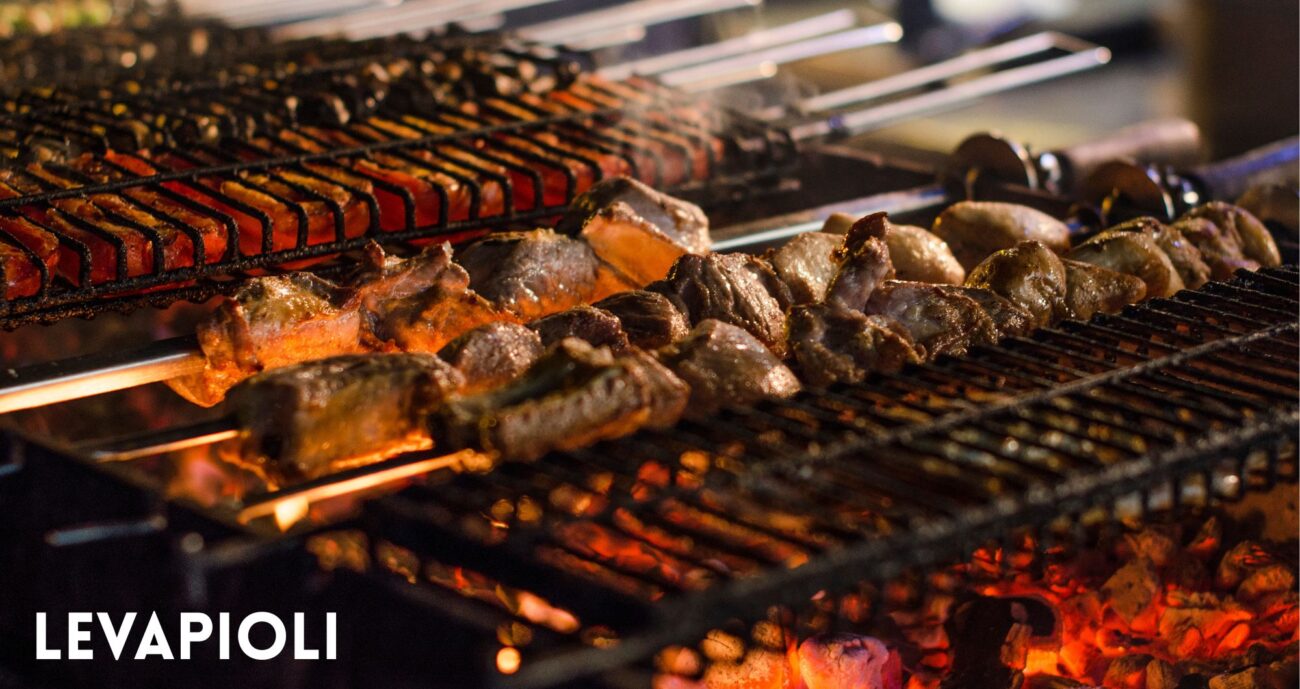
The cooking process involves grilling over open flames or charcoal, which contributes to its signature smoky aroma. This method not only enhances the flavors but also gives levapi a beautiful charred exterior while retaining juiciness within.
While Levapioli can be found at roadside stalls and local eateries throughout the Balkans, it’s more than just fast food; it’s ingrained in social gatherings like barbecues and celebrations. Each bite evokes memories of shared meals among friends and family.
In essence, Levapioli symbolizes both comfort food and cultural identity across several Balkan nations. Its appeal transcends borders as people continue to savor this delightful dish wherever they may be.
The Role of Levapioli in Balkan Food Culture
Levapioli holds a significant place in Balkan food culture, embodying both culinary tradition and communal experiences. It is more than just a dish; it’s a symbol of hospitality and togetherness, often enjoyed during family gatherings, celebrations, or casual get-togethers with friends. The act of grilling levapioli becomes an event that draws people together.
In many Balkan countries such as Bosnia, Serbia, and Montenegro, the preparation and sharing of levapioli can evoke nostalgia for simpler times. Recipes are often passed down through generations, enhancing its significance within families. Each region boasts its unique spin on the dish but retains core characteristics that bind them all.
Additionally, levapioli transcends social barriers by being accessible to everyone. Whether at street stalls or upscale restaurants, it welcomes those from various walks of life to savor its flavors. This inclusivity further solidifies its role in everyday culture across the Balkans.
The dish serves as an ambassador for Balkan cuisine abroad too. As globalization takes hold and interest in diverse foods grows worldwide, levapioli garners attention beyond borders.
It represents not only delicious fare but also cultural identity—showcasing rich history while adapting to modern tastes without losing authenticity.
Signature Ingredients Used in Levapioli for Authentic Flavor
Levapioli, the beloved Balkan grilled meat dish, owes its rich and distinctive flavor to a handful of signature ingredients. At its core, the foundation is typically made from minced beef or a blend of beef and lamb. This combination offers a balance between tenderness and robust taste.
The seasoning plays a pivotal role in crafting authentic Levapioli. Common spices include salt, black pepper, garlic powder, and paprika. Garlic adds depth while paprika contributes both color and warmth to the mixture. These spices are often mixed into the meat before shaping it into small sausages.
Another key ingredient that elevates Levapioli is baking soda. A pinch helps achieve that desired texture—juicy on the inside yet slightly crispy on the outside after grilling. This technique enhances not only flavor but also mouthfeel with every bite.
In some regions, finely chopped onions are incorporated directly into the meat mix for an extra layer of flavor. The sweetness of caramelized onions complements smokiness beautifully when cooked over an open flame.
Fresh herbs like parsley may be added for brightness—offering freshness amid the rich flavors typical of this dish. Each ingredient works harmoniously together to create an unforgettable culinary experience cherished across generations in Balkan kitchens.
Traditional Preparation Methods and Grilling Techniques
Levapioli is deeply rooted in tradition, and its preparation reflects the culinary heritage of the Balkans. The process begins with selecting high-quality minced meat, typically a blend of beef and lamb. Chefs often incorporate spices like paprika, garlic, and salt to enhance flavor while keeping it simple.
Once mixed thoroughly, the meat is shaped into small sausages or patties. This shaping can be done by hand or using specialized molds for uniformity. Each piece is crafted carefully to ensure it holds together during grilling.
Grilling techniques play a crucial role in achieving that iconic smoky flavor. Traditionally, Levapioli is cooked over an open flame or charcoal grill. The intense heat caramelizes the exterior while sealing in juices for a tender bite.
Some regional variations utilize special grills called “mangal.” These robust setups allow cooks to maintain consistent temperatures while infusing additional layers of smoke from wood chips or specific types of charcoal.
Timing also matters when grilling Levapioli; short bursts on high heat create a good sear without drying out the meat. This balance ensures every bite delivers both rich flavors and satisfying textures that celebrate Balkan cuisine’s essence.
What Makes Levapioli’s Smoky Flavor Unique
Levapioli is renowned for its distinctive smoky flavor, a hallmark that sets it apart from other grilled meat dishes. The key to this signature taste lies primarily in the preparation and cooking methods utilized across the Balkans.
One of the most significant contributors to Levapioli’s smokiness is the choice of grill. Traditional open-flame grills or charcoal pits are commonly used, allowing for an authentic charred taste. As the meat sizzles over hot coals, it absorbs aromatic smoke that enhances its natural flavors.
The type of wood or charcoal used also plays a crucial role. Many cooks prefer hardwoods like beech or oak for their ability to produce dense smoke without overpowering the meat’s inherent flavors. This careful selection creates a balanced profile that elevates each bite.
Marinades can further enrich Levapioli’s depth of flavor. Ingredients such as garlic, onion, and various spices infuse into the meat before grilling, complementing the smokiness with additional layers of taste.
Time-honored techniques passed down through generations ensure that every cook brings their unique touch to this dish. Each regional variation contributes distinct nuances to Levapioli’s already rich flavor tapestry while preserving its essential smoky charm.
Levapioli vs Other Balkan Grilled Meat Dishes
When exploring Balkan grilled meat dishes, Levapioli stands out for its unique characteristics. While it shares similarities with other popular dishes like ćevapi and pljeskavica, Levapioli often features a distinct blend of spices that enhances its flavor profile.
Ćevapi is perhaps the most well-known grilled dish in the region. These small, skinless sausages are typically made from minced beef or lamb and seasoned with salt and pepper. Unlike Levapioli, which boasts a more complex spice mixture, ćevapi tends to have a simpler taste.
Pljeskavica resembles a burger patty but has its roots in traditional Balkan cuisine. Made mostly from minced meats mixed with herbs and spices, it’s usually larger than both Levapioli and ćevapi. The grilling technique also contributes to differences; while all three benefit from open-flame cooking, their preparation methods vary slightly based on regional preferences.
Another notable mention is ražnjići—skewered meat that’s marinated before being grilled over an open flame. Though delicious in their own right, they lack the specific seasoning blend that gives Levapioli its signature smoky flavor.
While these dishes share common origins within Balkan cuisine, each brings forth distinctive flavors and textures that cater to different palates across this diverse culinary landscape.
How Levapioli Is Served and Paired with Sides
Levapioli is traditionally served in a way that highlights its robust flavors. It’s commonly enjoyed wrapped in fluffy lepinja, a soft Balkan bread that perfectly complements the grilled meat’s richness. This combination creates a satisfying bite and allows for easy handling during meals.
Accompanying condiments play a crucial role in enhancing levapioli’s taste. A classic pairing includes finely chopped onions, which add freshness and crunch. Some diners also opt for ajvar, a smoky red pepper spread that introduces another layer of depth to the dish.
Pickles are often included on the side as well, providing acidity that balances out the savory notes of levapioli. Whether they’re pickled cucumbers or peppers, these tangy bites elevate every mouthful and cleanse the palate between tastes.
Additionally, serving levapioli with yogurt-based sauces adds creaminess and coolness to each bite. Tzatziki or similar dressings can enhance its flavor while offering contrast to the smoky warmth from grilling.
Some enjoy their levapioli alongside hearty sides like potato salad or roasted vegetables. These dishes not only complement but also contribute to making an inviting meal experience around this beloved Balkan delicacy.
Regional Variations of Levapioli Across the Balkans
Levapioli is a dish that showcases the rich culinary diversity of the Balkans. Each region adds its unique twist, making every version distinct yet familiar. In Bosnia and Herzegovina, for example, it’s common to find levapi served in a soft pita with finely chopped onions and a drizzle of ajvar—a red pepper condiment that enhances the meat’s flavor.
In Serbia, you’ll often encounter those famous grilled sausages arranged on a platter alongside fresh bread and salads. The use of spices may vary here; some versions incorporate more garlic or paprika to give them an extra kick. This regional flair not only emphasizes local tastes but also reflects cultural traditions.
Montenegro brings its own flair with variations influenced by Mediterranean ingredients. Here, you might find levapi seasoned with herbs like rosemary or thyme, which lend a fragrant aroma during grilling. These adaptations highlight how geographical influences shape even beloved dishes.
In North Macedonia, people enjoy their levapi accompanied by baked potatoes or roasted vegetables instead of traditional sides like bread or salad. This choice illustrates how different cultures perceive meal pairings and what they deem essential for enhancing flavors.
Kosovo boasts yet another variant where additional meats are mixed into the ground mixture—often including lamb for added richness. These diverse practices make each bowl of levapioli not just a meal but an experience steeped in history and tradition across the Balkan landscape.
Growing Popularity of Levapioli in Modern Food Trends
Levapioli is experiencing a surge in popularity, particularly among food enthusiasts and culinary explorers. As global cuisine becomes more accessible, many people are eager to try authentic dishes from different cultures. Levapioli, with its rich flavors and smoky aroma, has captured the attention of diners worldwide.
Social media platforms play a significant role in promoting this Balkan delicacy. Food bloggers and influencers share vibrant images of grilled levapioli served alongside traditional accompaniments like flatbread and fresh vegetables. This visual appeal helps create a buzz around the dish, enticing followers to seek it out.
Food festivals celebrating diverse cuisines also feature levapioli prominently on their menus. These events allow local chefs to showcase their interpretations of this classic dish while introducing it to new audiences. The interactive nature of food festivals fosters curiosity about regional ingredients and preparation methods.
As dining habits evolve, there’s an increasing demand for authentic experiences that connect people with cultural heritage through food. Levapioli fits perfectly into this trend as it embodies tradition while being adaptable enough for modern palates seeking bold new flavors.
Restaurants specializing in grilled meats have started incorporating levapioli into their offerings, recognizing its allure among patrons looking for something unique yet familiar in taste profiles.
Final Thoughts: Is Levapioli a True Balkan Dish or a Modern Trend
As the culinary world evolves, Levapioli stands at a fascinating crossroads of tradition and modernity. This beloved dish is steeped in rich Balkan heritage, showcasing the region’s love for grilling meats infused with local spices and techniques. Its roots trace back to centuries-old recipes shared among families and communities, making it an integral part of social gatherings.
However, as global food trends emerge, Levapioli has also adapted to contemporary tastes. Chefs around the world are experimenting with variations that incorporate diverse ingredients and innovative cooking methods while still paying homage to its traditional origins. This blending of old and new has helped elevate Levapioli from a regional favorite to a dish celebrated internationally.
The question remains—does this evolution dilute its authenticity? While some purists may argue that true Levapioli must adhere strictly to age-old practices, others embrace the creativity brought forth by modernization. The heart of the matter lies in how we celebrate this iconic dish today—whether as a cherished cultural staple or as an evolving cuisine reflecting our changing palates.
Levapioli continues to evoke nostalgia for many who grew up savoring its smoky flavor during family feasts or community celebrations. As more people discover it through restaurants and food festivals worldwide, there’s no denying that Levapioli holds both historical significance and exciting potential within today’s gastronomic landscape.
