
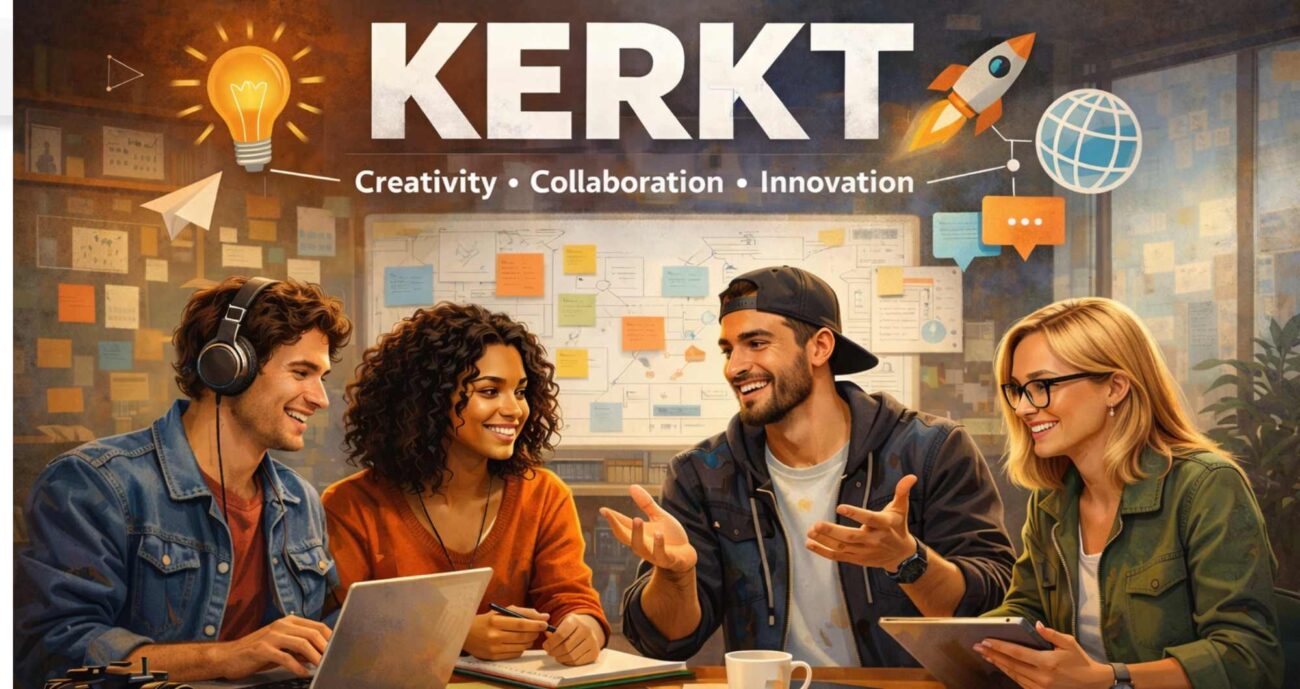
Creativity and innovation are crucial in today’s fast-paced world. As industries evolve, so do the ways we think and create. Enter Kerkt, a groundbreaking concept that is making waves across creative circles. This new approach to creativity challenges conventional methods and inspires fresh perspectives. But what exactly does Kerkt mean? How did this idea gain traction, and why is it resonating with today’s digital generation? In this blog post, we’ll explore the essence of Kerkt, its roots in modern culture, and how it empowers individuals to push boundaries in their work. Whether you’re a creator, entrepreneur, or innovator looking for inspiration, understanding Kerkt might just unlock your next big idea. Join us as we dive deeper into this fascinating movement!
A Quick Look at What Kerkt Really Means
Kerkt is a term that encapsulates an innovative approach to creativity and problem-solving. It blends the idea of collaboration with individual expression, creating a unique framework for generating ideas. At its core, Kerkt emphasizes the importance of community in fostering innovation.
The concept encourages participants to think outside traditional boundaries. Instead of adhering strictly to established methods, Kerkt promotes experimentation and exploration. This flexibility allows individuals to find unexpected solutions.
Another aspect of Kerkt is its adaptability across various fields. Whether in art, technology, or business, this philosophy can be applied universally. Its principles resonate with anyone seeking new ways to tackle challenges creatively.
Moreover, it thrives on diversity—bringing together people from different backgrounds and perspectives enriches the creative process. By valuing varied viewpoints, it cultivates an environment where original ideas can flourish.
Kerkt serves as a reminder that creativity isn’t just about individual talent but also about collective effort and shared experiences. This shift towards collaborative innovation opens up exciting possibilities for creators everywhere.
How the Idea of Kerkt Started Gaining Attention
The concept of Kerkt began to gain traction in the early 2020s, driven by a growing need for innovative solutions. As traditional methods struggled to keep pace with rapid technological advancements, creators sought fresh perspectives. This shift marked a pivotal moment in how creativity was approached.
Social media played a crucial role in amplifying the Kerkt ideology. Platforms like Twitter and Instagram allowed thought leaders and innovators to share their insights broadly. The hashtag #Kerkt quickly gained popularity as enthusiasts shared their experiences and ideas rooted in this new philosophy.
Workshops and seminars focusing on collaborative creativity sparked interest among professionals across various industries. Participants reported significant breakthroughs while employing Kerkt principles, which encouraged unconventional thinking patterns. These events showcased real-world applications that captivated audiences.
Influencers within creative sectors further propelled Kerkt into mainstream discussions. They articulated its benefits through blog posts, podcasts, and online courses aimed at fostering innovation culture among teams. The narrative surrounding Kerkt emphasized adaptability—a trait increasingly valued by today’s workforce.
As curiosity grew around this novel approach, universities began incorporating it into curricula focused on entrepreneurship and design thinking. Students embraced the mindset enthusiastically, eager to apply it beyond academic settings into real-life scenarios.
The Creative Philosophy Behind the Kerkt Concept
At the heart of the Kerkt concept lies a unique creative philosophy that champions originality and authenticity. It encourages individuals to embrace their inherent creativity rather than conforming to conventional norms. This approach fosters an environment where ideas can flourish without fear of judgment.
It advocates for a mindset shift, urging creators to explore diverse avenues of thought. By stepping outside familiar boundaries, they can uncover innovative solutions and fresh perspectives. The essence of this philosophy is rooted in curiosity—an essential element for any creative endeavor.
Collaboration plays a vital role in the Kerkt framework. When people from various backgrounds come together, they bring distinct experiences and viewpoints that enrich the creative process. This collaborative spirit not only enhances individual creativity but also cultivates community among innovators.
Emphasizing resilience is another key aspect of Kerkt’s philosophy. In facing obstacles or setbacks, individuals are encouraged to pivot and adapt rather than giving up on their vision. This tenacity fuels innovation, allowing new ideas to emerge from challenges.
Kerkt promotes an inclusive space where every voice matters—a principle vital for inspiring collective creativity in today’s fast-paced world.
Why Kerkt Resonates with Today’s Digital Generation
It resonates deeply with today’s digital generation due to its emphasis on adaptability. In an era where change is constant, this mindset allows individuals to pivot quickly and embrace new challenges. The ability to innovate in real-time aligns perfectly with the fast-paced nature of digital life.
Moreover, Kerkt encourages multi-disciplinary thinking. Today’s creators often wear multiple hats—from marketers to designers—making it essential for them to draw inspiration from various fields. This cross-pollination of ideas fosters a rich environment for creativity and innovation.
The social aspect of Kerkt also holds significant appeal. Digital platforms have created communities where collaboration thrives. This interconnectedness enhances idea-sharing and supports collective problem-solving, making the Kerkt philosophy particularly relevant.
Additionally, younger generations prioritize authenticity and meaningful engagement over traditional metrics of success. The Kerkt approach champions unique perspectives that challenge the status quo, encouraging individuals to express their true selves in creative output.
As technology blurs boundaries between industries and disciplines, the versatility inherent in Kerkt empowers today’s innovators to explore uncharted territories confidently. This freedom fuels imaginative solutions that resonate across diverse audiences globally.
How Kerkt Encourages Fresh Thinking and New Ideas
Kerkt fosters an environment where fresh thinking thrives. It encourages individuals to step outside traditional boundaries and explore uncharted territories. By shifting the focus from rigid structures to open-ended possibilities, it nurtures innovative thought.
One of its core principles is embracing curiosity. Kerkt invites people to ask “why” and “what if,” which leads to unexpected insights. This inquisitive mindset helps break down barriers that often hinder creativity.
Collaboration plays a significant role in this process as well. When diverse minds come together under the Kerkt philosophy, they spark ideas that might not arise in isolation. Different backgrounds bring unique perspectives, fueling a collective creative energy.
Another key aspect of Kerkt is its emphasis on experimentation. Encouraging trial-and-error allows for learning through failure, which can lead to groundbreaking discoveries. This acceptance of mistakes as part of growth empowers creators to take risks without fear.
By promoting flexibility in thought processes, it inspires adaptability in tackling challenges. This dynamic approach equips individuals with the tools needed to generate novel solutions in ever-evolving environments.
Kerkt and the Power of Collaborative Creativity
Kerkt emphasizes the power of collaborative creativity, where diverse minds come together to create something extraordinary. Collaboration transforms individual ideas into collective masterpieces. When people share their unique perspectives, they can spark inspiration and innovation.
In a Kerkt environment, teamwork is key. It encourages open dialogue and promotes brainstorming sessions that harness each participant’s strengths. This synergy creates an atmosphere where creativity flourishes.
The beauty of collaboration lies in its ability to challenge conventional thinking. Different viewpoints can reveal blind spots and enhance problem-solving capabilities. The result is often groundbreaking solutions that might not emerge from solitary effort.
Moreover, collaborative creativity fosters a sense of community among participants. It cultivates trust and facilitates knowledge sharing across various disciplines. This cross-pollination of ideas leads to richer outcomes that benefit everyone involved.
As we navigate an increasingly interconnected world, embracing collaborative creativity becomes essential for progress. it invites creators from all walks of life to engage with one another, emphasizing that shared experiences can lead to innovative breakthroughs unlike anything seen before.
Real Situations Where the Kerkt Mindset Can Be Applied
In today’s fast-paced world, its mindset can be applied in various real-life scenarios. Businesses facing stagnation often benefit from this approach. By fostering an environment that prioritizes creative thinking, teams can break through barriers and generate innovative solutions.
Startups looking to disrupt traditional industries find inspiration in Kerkt principles. They encourage collaboration among diverse skill sets, leading to unique products and services that challenge the status quo. This infusion of fresh ideas is vital for staying competitive.
Educational institutions also embrace the Kerkt philosophy. Teachers who incorporate creative projects into their curricula inspire students to think critically and innovatively. Such engagement helps prepare future leaders equipped with problem-solving skills essential for a rapidly changing job market.
Non-profit organizations utilize the Kerkt mindset when addressing social issues. By encouraging collective brainstorming sessions, they discover unconventional strategies to tackle challenges like poverty or climate change effectively.
Even within personal development, individuals adopt Kerkt principles by rethinking habits and routines. Embracing creativity allows for growth beyond comfort zones, unlocking new potential in everyday life and decision-making processes.
How Creators, Entrepreneurs, and Innovators Use Kerkt
Creators, entrepreneurs, and innovators are increasingly embracing Kerkt as a framework for their work. By fostering an environment of open-mindedness and exploration, they unlock new avenues for creativity. This approach encourages individuals to think outside the box and challenge conventional wisdom.
For creators in arts and media, the Kerkt mindset promotes experimentation with diverse styles and techniques. This openness leads to unique artistic expressions that resonate with audiences on multiple levels. The idea is not just to create but to innovate continuously.
Entrepreneurs leverage Kerkt by integrating collaboration into their business strategies. They form cross-functional teams that bring together varied expertise, sparking fresh ideas that can lead to groundbreaking products or services. The collective effort emphasizes synergy over competition.
In tech startups, innovators apply Kerkt by prioritizing agile methodologies. Rapid prototyping allows them to test concepts quickly while adapting based on feedback from users or team members. This iterative process embodies the essence of creative evolution inherent in the Kerkt philosophy.
Those who adopt a Kerkt approach find themselves better equipped to navigate challenges in today’s fast-paced landscape. It empowers them to turn obstacles into opportunities through innovative thinking.
Common Myths People Have About Kerkt
Many people have misconceptions about Kerkt. One common myth is that it only applies to artistic fields. While creativity thrives in art, the principles of Kerkt extend across various industries, including technology and business.
Another misconception is that adopting a Kerkt mindset requires extensive training or education. In reality, anyone can embrace this approach by being open-minded and willing to explore new ideas. It’s more about attitude than formal qualifications.
Some believe that Kerkt promotes chaos over structure. This isn’t true; rather, it encourages innovative thinking within a framework that fosters collaboration and communication among team members.
A prevalent myth suggests that implementing Kerkt means abandoning traditional methods entirely. Instead, it complements existing processes while injecting fresh perspectives into problem-solving scenarios.
Many assume that the impact of Kerkt is limited to short-term gains. However, its emphasis on ongoing collaboration leads to sustainable innovation and long-lasting results for individuals and organizations alike. Embracing these truths can unlock the full potential of what Kerkt offers.
Why Kerkt Is Becoming Relevant in Modern Innovation
The concept of Kerkt is gaining traction in the realm of modern innovation. As businesses and creators navigate a rapidly evolving landscape, traditional methods often fall short. The need for fresh perspectives has never been more crucial.
It encourages individuals to break away from conventional thinking patterns. This approach invites diverse voices and ideas, making it particularly effective in today’s interconnected world. With the rise of globalization, collaboration across cultures enhances creativity.
Moreover, digitalization plays a significant role in its relevance. Tools like social media and collaborative platforms allow people to share insights seamlessly. In this environment, Kerkt thrives by leveraging technology to fuel creative exchanges.
Today’s consumers are also looking for authenticity and uniqueness. They crave experiences that resonate on a personal level rather than pre-packaged solutions. Kerkt aligns perfectly with this demand by fostering innovative concepts rooted in genuine expression.
Organizations recognize that adaptability is key to survival and growth. Embracing the principles behind Kerkt empowers teams to pivot quickly in response to market shifts or emerging trends—making it essential for sustainable progress.
What the Future Could Look Like
The future of the Kerkt movement holds exciting possibilities. As we navigate an ever-evolving digital landscape, the principles of Kerkt are likely to gain further traction. More individuals and organizations will embrace this approach as they seek innovative solutions to complex challenges.
Education systems may integrate Kerkt philosophies into their curricula, fostering a generation that values collaboration and fresh perspectives from an early age. Work environments could shift towards more inclusive practices, encouraging diverse teams to leverage their unique strengths in creative endeavors.
We can expect technological advancements that facilitate better communication and collaboration among creators across various fields. Virtual reality or augmented reality platforms might become central hubs for brainstorming sessions where ideas flow freely without geographical limitations.
Moreover, the rise of remote work is making it easier for people worldwide to connect based on shared interests rather than mere location. This global reach aligns perfectly with the essence of Kerkt—bringing together different minds to spark inspiration.
As more businesses recognize the value of innovation driven by collective creativity, we may witness a cultural shift where failure is embraced as part of growth rather than something to avoid at all costs. The acceptance of trial-and-error processes can lead us toward breakthroughs previously thought impossible.
If the momentum continues, Kerkt could redefine how we perceive creativity itself—transforming it from a solitary act into a dynamic exchange enriched by diversity and collaboration. Embracing this mindset will be crucial as we step boldly into uncharted territories filled with potential waiting to be unlocked through collective ingenuity.
