
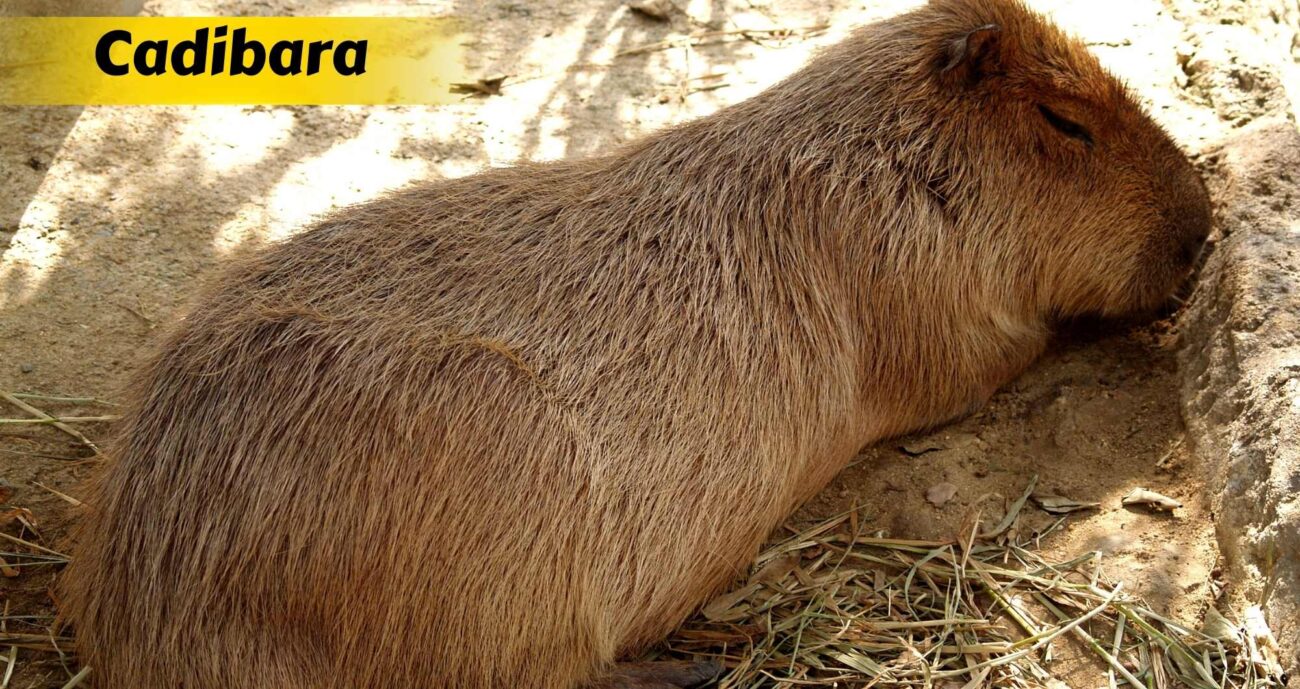
When you hear the word “rodent,” mice or rats probably come to mind. But South America is home to a gentle giant that redefines what we imagine about rodents. This remarkable animal is the cadibara, also known globally as the capybara. As the largest semi-aquatic rodent in the world, cadibaras fascinate scientists, wildlife enthusiasts, and curious animal lovers alike.
In this article, we explore everything about cadibaras—from their habitats and physical traits to their social behavior and interactions with humans. By the end, you’ll understand why these creatures are so extraordinary.
What is a Cadibara? Introduction to the Giant Rodent
The cadibara (Hydrochoerus hydrochaeris) is a massive rodent native to South America. Cadibaras thrive in areas close to water, including rivers, lakes, swamps, and marshes. Their semi-aquatic nature allows them to swim, submerge, and escape predators with ease.
Cadibaras can weigh between 35 to 66 kilograms (77 to 146 pounds), yet they are herbivorous, spending much of their day grazing on grasses, aquatic plants, and occasionally fruits. Unlike many solitary rodents, cadibaras are highly social and are usually found in groups ranging from 10 to 20 individuals. These traits make them one of the most unique rodents on Earth.
Cadibara vs Capybara – Understanding the Name and Species
While “cadibara” is less commonly used in English, it is synonymous with capybara. Both refer to the same species, scientifically called Hydrochoerus hydrochaeris. The term cadibara is often used in local dialects or informal references, which can lead to some confusion.
Capybaras belong to the Caviidae family, which also includes guinea pigs and rock cavies. Despite this family relation, the size difference is striking. A capybara or cadibara can grow up to 1.3 meters (4 feet) long, while guinea pigs barely weigh a few pounds. Their combination of size, calm temperament, and social behavior sets them apart from other rodents.
Habitat and Distribution of the Cadibara in South America
Cadibaras are native to South America, found primarily in Brazil, Venezuela, Colombia, Argentina, and Uruguay. Their habitats are closely tied to freshwater sources, as they rely on water not only for hydration but also for protection. They can dive or submerge to escape predators, making proximity to rivers, lakes, and wetlands essential.
Cadibaras are adaptable and can also survive in human-modified environments, including farmland, urban parks, and irrigation channels. However, expansion of agriculture and urbanization poses challenges, leading to habitat loss in some regions. Despite this, cadibaras remain abundant in many areas due to their adaptability.
Physical Characteristics – Size, Weight, and Unique Features
Cadibaras are instantly recognizable because of their size and shape. They have barrel-shaped bodies, short legs, and partially webbed feet, making them excellent swimmers. Their heads are relatively small with blunt snouts, and their eyes, ears, and nostrils are positioned high, allowing them to see and breathe while mostly submerged.
Their coarse, brownish fur blends well with their natural environment, providing camouflage against predators. Cadibaras’ teeth are adapted for grazing tough grasses and aquatic plants, unlike smaller rodents that gnaw constantly to control tooth growth.
Males are generally slightly larger than females and may display subtle dominance during mating season. These physical and behavioral adaptations make cadibaras highly suited to life in and around water.
Diet and Eating Habits of the Cadibara
As herbivores, cadibaras mostly consume grasses and aquatic plants. They may also eat fruits, tree bark, and crops such as sugarcane if they live near agricultural areas. Their feeding behavior is mostly diurnal, though they may feed during cooler evening hours as well.
One fascinating aspect of cadibara behavior is coprophagy, the consumption of their own feces. This allows them to extract additional nutrients from plant material and digest tough fibers more efficiently. Grazing takes up a significant portion of their day, making them highly efficient herbivores.
Social Behavior – How Cadibaras Live in Groups
Unlike most rodents, cadibaras are highly social animals. They live in groups that range from a few individuals to several dozen, depending on resource availability. Groups are usually led by a dominant male who protects females and young from predators.
Whistles, purrs, barks, and clicks are just a few of the vocalizations that cadibaras use to communicate. These sounds help signal danger, maintain contact, and reinforce social bonds. Grooming is another critical behavior, strengthening group cohesion and reducing stress within the herd.
Their calm demeanor also allows cadibaras to coexist peacefully with other species. Birds often perch on their backs, and smaller animals graze nearby without fear, showcasing the cadibara’s remarkable tolerance and gentle nature.
Cadibara’s Semi-Aquatic Lifestyle – Swimming and Survival Skills
Cadibaras are exceptional swimmers. Their partially webbed feet and streamlined bodies make them agile in water. They can remain submerged for up to five minutes, a survival mechanism that helps evade predators like jaguars, caimans, and large birds of prey.
Water is also central to their social life. Cadibaras often graze near rivers and lakes, using water both for cooling off and as an escape route. Their semi-aquatic lifestyle is a key reason they thrive in wetlands and marshy regions of South America, and it is one of the traits that makes them so captivating to observe.
Reproduction and Life Cycle of the Cadibara
Cadibaras breed year-round, with peak mating during the rainy season when food is abundant. Females reach sexual maturity around 18 months, while males mature slightly later. The gestation period lasts about 150 days, with litters typically containing 2 to 8 pups.
Due to their precocial status, newborn cadibaras are comparatively mobile and mature at birth. They begin grazing within a few days and integrate into the social group almost immediately. While mothers provide the primary care, herd members also contribute to protection and social learning, creating a supportive environment for young cadibaras.
Threats and Conservation Status of Cadibaras
Currently, cadibaras are not considered endangered, but they face several threats. Habitat destruction due to agriculture, urbanization, and deforestation reduces safe living areas. In some regions, they are hunted for meat and hides, though regulations exist to control hunting.
You May Like: UA109 unscheduled stop
Conservation efforts focus on protecting wetlands and promoting coexistence with humans. In agricultural areas, farmers are encouraged to maintain buffer zones near waterways, allowing cadibaras to graze without conflict. By protecting their natural habitats, cadibaras can continue thriving in South America’s ecosystems.
Interesting Facts and Surprising Behaviors of Cadibara
Cadibaras are full of surprises. They are incredibly gentle and often allow humans and other animals to approach them without fear. Their calm temperament makes them one of the few wild rodents that people can interact with relatively safely.
In the wild, cadibaras live up to 8–10 years, while in captivity, they can reach 12 years or more. They play a crucial ecological role by grazing on aquatic and terrestrial plants, maintaining healthy wetland ecosystems, and serving as prey for larger predators.
Another remarkable behavior is their group cohesion. Cadibaras rely on their social structure for safety, communication, and even temperature regulation when huddling together during cooler nights.
Cadibara in Culture – How Humans Interact with This Giant Rodent
Humans have long interacted with cadibaras. In some South American cultures, they are a food source, and their hides are used for leather. However, ecotourism and wildlife appreciation have increasingly highlighted cadibaras as fascinating creatures rather than just resources.
Social media has contributed to their popularity, with videos showing cadibaras calmly interacting with birds, smaller animals, and humans. This gentle nature has made them one of the most beloved rodent species globally, admired for both their size and personality.
FAQs About Cadibara – All Your Questions Answered
What is a cadibara?
A cadibara refers to the same species more commonly known as the capybara (Hydrochoerus hydrochaeris), which is the largest living semi‑aquatic rodent in the world, native to South America.
Where do cadibaras live?
Cadibaras are found in wetlands, rivers, lakes, marshes, and savannas throughout South America, including countries such as Brazil, Argentina, Colombia, Venezuela, Paraguay, and Uruguay.
How big can a cadibara get?
Adult cadibaras can reach up to about 1.3 meters (around 4.3 feet) in length and typically weigh between 35 to 66 kilograms (77–146 pounds).
What do cadibaras eat?
Cadibaras are herbivores. They primarily eat grasses and aquatic plants, and may also consume fruits, tree bark, and other vegetation depending on availability.
Are cadibaras social animals?
Yes. Cadibaras are highly social animals that usually live in groups of about 10 to 20 individuals, though larger aggregations can form depending on resources.
Can cadibaras swim?
Absolutely. Cadibaras are excellent swimmers and can submerge themselves to avoid predators. They can stay underwater for several minutes while keeping their nostrils, eyes, and ears above the surface.
Are cadibaras endangered?
No. Cadibaras are currently classified as “Least Concern” by conservation organizations, meaning they are not considered endangered overall. However, local populations can be threatened by hunting and habitat loss in some regions.
Final Thoughts
Its semi-aquatic lifestyle, gentle nature, social behavior, and ecological importance make it one of the most fascinating creatures in South America. Observing these animals in the wild or learning about them online offers insight into a species that challenges our perception of what rodents can be.
By protecting their habitats and understanding their role in ecosystems, we ensure that future generations can continue to marvel at the cadibara—the gentle giant of the rodent world.
