
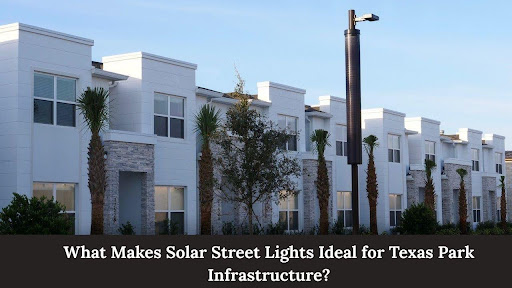
Managing a public park in Texas means carrying a long list of responsibilities, and keeping pathways, picnic areas, and open spaces properly lit after dark sits near the top of that list for most teams. The real challenge is doing it without stretching already tight maintenance budgets or constantly sending staff out to deal with failed fixtures and grid outages that arrive without warning. Solar Street Lights For Texas Parks are changing how park management teams approach that problem entirely, offering self-sustaining, low-maintenance illumination that performs reliably night after night without asking very much in return. If you are exploring smarter lighting options for your park, this blog covers exactly why the shift is happening and what it looks like on the ground.
What Makes Solar Street Lighting the Right Fit for Texas Parks?
Texas parks face a particular set of conditions that make solar street lighting an especially strong match for the environment. Abundant sunshine, wide open spaces, and the practical demands of outdoor public infrastructure all come together to create ideal conditions for self-powered lighting systems to do what they do best.
Each Solar Street Light for Texas Parks operates as a fully self-contained unit. Panels collect solar energy through the day, batteries store it, and LED fixtures deliver steady, reliable light through the night. No grid connection needed. No underground wiring to manage or worry about. Just dependable illumination that arrives every evening and keeps arriving without requiring anything from utility infrastructure.
Self-Powered Operation: Every solar street light generates and stores its own energy independently. The system charges through daylight and discharges steadily through the night, completing that cycle daily without any external input, grid connection, or involvement from park staff at any point.
Integrated Battery Storage: High-capacity lithium-ion batteries hold enough energy to power LED fixtures through a full night and comfortably beyond. Well-engineered battery systems support thousands of charge cycles, which translates to years of consistent performance without replacement under normal park operating conditions.
Automated Controls: Smart controllers handle everything automatically. They detect shifting light conditions, switch fixtures on and off at the right moments, manage dimming schedules, and protect batteries from overcharging without any manual input from the team responsible for the park.
Wind-Resistant Construction: Texas conditions can be genuinely demanding. Solar street light systems designed for outdoor park environments are built to handle high winds, sustained moisture exposure, and significant temperature swings without any loss of structural integrity or lighting performance.
Flood-Safe Design: All critical electrical components are mounted well above ground level. In park areas prone to flooding or heavy seasonal rainfall, the elevated placement keeps systems operational through conditions that would damage or completely disable conventional ground-level electrical infrastructure.
Why Are Texas Park Teams Choosing Solar Street Lights With Such Confidence?
The move toward Solar Street Lights for Texas Parks is not a trend driven by novelty. Park management teams are operating with limited staff, tighter budgets than ever, and growing expectations from the communities they serve every day. Solar lighting addresses each of those pressures in a practical, measurable way.
Solar Street Lights offer a combination of operational independence, genuine financial efficiency, and long-term reliability that grid-connected lighting cannot match in outdoor park environments where maintenance access is often inconvenient and costly.
Zero Energy Bills: Solar street lights draw nothing from the utility grid. Once they are installed, there are no monthly electricity charges attached to the lighting, no rate increases passing through to the park’s budget, and no unexpected billing arriving mid-year to disrupt financial planning.
Minimal Maintenance Demands: No moving parts, no buried wiring to inspect, and long-life LED components mean these systems need very little attention once they are running. Park teams spend far less time on routine servicing cycles and far more time on the work that actually serves visitors directly.
Rapid Deployment: No trenching required. No underground cable runs to plan. No utility approval processes are adding weeks to the timeline. Solar street lights can be positioned and fully operational within a single day across most park environments, with minimal disruption to the landscape and the visitor experience throughout.
Long Operational Lifespan Quality solar street light systems are built to perform reliably for a decade or more under normal conditions. That longevity means the investment keeps delivering value consistently rather than triggering expensive replacements or upgrade cycles within a few years of the original installation.
Improved Visitor Safety: Consistently lit pathways, picnic areas, and open spaces make parks genuinely safer and more welcoming after dark. Reliable illumination reduces accident risks, gives visitors confidence to use park spaces through the evening hours, and creates environments where communities actually want to spend time.
Where Are Solar Street Lights Making a Real Difference in Texas Park Environments?
The best measure of any lighting system is how it actually performs in the spaces where people spend time. Solar Street Lights For Texas Parks lights are already running in active park settings and delivering consistent, reliable results across a range of different environments.
Pathway Lighting: Walking trails and pedestrian routes through park environments benefit immediately from consistent solar illumination. Visitors navigate safely after dark, and the lighting runs without any connection to the park’s electrical infrastructure at any point.
Picnic and Gathering Areas: Covered pavilions, open lawn spaces, and community gathering zones stay genuinely usable well into the evening when properly lit. Solar street lights extend functional hours across these popular spaces without adding anything to operating costs.
Sports and Recreation Zones: Basketball courts, fitness areas, and recreational spaces used after sunset benefit significantly from reliable overhead lighting. Solar systems cover these areas effectively without the underground wiring that conventional sports lighting installations typically require before they can function.
Parking and Entry Points: Park entrances and visitor parking areas are important safety zones that need dependable lighting. Solar street lights cover these high-traffic areas reliably, improving visibility for everyone arriving and departing after dark without adding complexity to the park’s electrical setup.
Nature Trails and Remote Sections: The most remote areas of large Texas parks are often the hardest and most expensive to reach with conventional electrical infrastructure. Solar street lights solve that problem directly, bringing reliable illumination to isolated sections without requiring grid extension across the entire park footprint.
Conclusion
Texas parks deserve lighting that works as reliably as the teams managing them. Solar Street Lights For Texas Parks deliver exactly that, self-sustaining, low-maintenance illumination that improves visitor safety and reduces operational pressure at the same time. For park management teams trying to do more with less, solar street lighting is not just a sensible upgrade. It is genuinely the most practical step forward available right now.
