
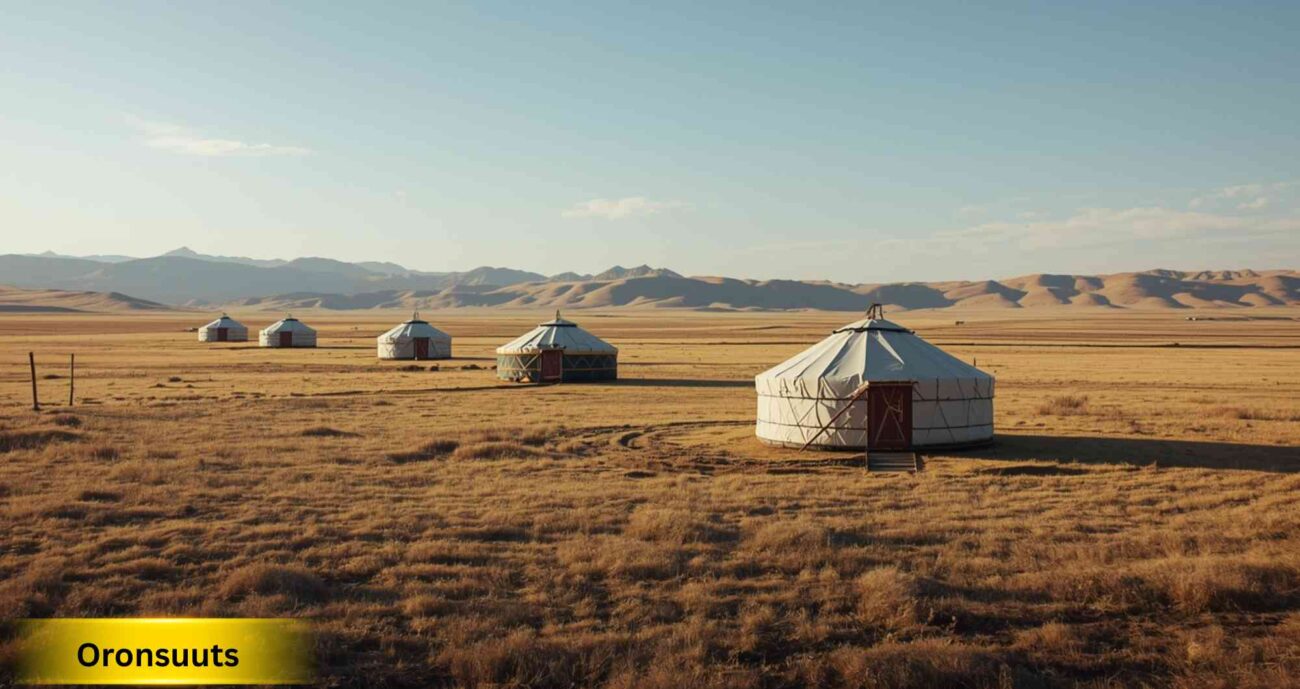
In recent years, you may have stumbled upon the term “oronsuuts.” While it might sound unfamiliar at first, this intriguing word carries deep meaning and cultural significance. Its roots draw from Mongolia’s rich heritage, touching on concepts of space and lifestyle that resonate with many today.
As our understanding of living environments evolves, so does our vocabulary surrounding them. Oronsuuts serves as an excellent example of how traditional ideas can find relevance in modern contexts. Whether you’re exploring housing options or simply curious about linguistic nuances, grasping what oronsuuts represents opens up a world of possibilities for both personal reflection and practical application.
Join us as we delve into the various dimensions of oronsuuts—its origins, cultural context, real-world uses, and why it’s gaining traction in online discussions. Get ready to enrich your understanding of this captivating term!
What Does Oronsuuts Actually Mean?
Oronsuuts is a term that originates from Mongolian language and culture, embodying the concept of living spaces or habitats. It specifically refers to the traditional structures where families reside. In Mongolia, these homes are often designed to withstand harsh climates while providing comfort for their inhabitants.
The essence of oronsuuts lies not just in physical structures but also in the lifestyle they promote. These spaces serve as community hubs where family members gather, share meals, and celebrate traditions. The design typically emphasizes functionality while still honoring aesthetic values rooted in nature.
In a broader context, oronsuuts can symbolize a way of life deeply connected to the land and environment. They reflect an understanding of harmony between human habitation and natural elements—a principle many seek today amid urbanization’s rapid pace.
As we explore further into its origins and cultural significance, it becomes clear that oronsuuts represents more than mere shelter; it encompasses an approach to living that respects both heritage and contemporary needs.
Origins and Linguistic Background of Oronsuuts
The term “oronsuuts” has deep roots in the Mongolian language, reflecting a rich cultural heritage. It derives from two components: “oron,” which translates to “place” or “location,” and “suuts,” meaning “dwelling” or “home.” Together, they evoke the idea of a specific space designed for living.
Mongolian linguistics highlights how words can carry significant weight in expressing lifestyle and environment. Oronsuuts encapsulates not just physical dwellings but also the emotional connection individuals have with their homes, influenced by centuries of nomadic traditions.
Historically, Mongolia’s vast steppes shaped its people’s understanding of space and shelter. The traditional ger (yurt) served as both home and refuge against harsh weather conditions while embodying community values. This context enriches the meaning behind oronsuuts.
In contemporary discourse, the term is gaining traction as it blends traditional concepts with modern interpretations of housing solutions. As urbanization increases globally, understanding terms like oronsuuts becomes essential for appreciating diverse approaches to living spaces that honor cultural identity.
Oronsuuts in Mongolian Cultural Context
Oronsuuts holds a significant place in Mongolian culture, deeply intertwined with the nomadic lifestyle that characterizes much of the country. Traditionally, oronsuuts refers to living spaces designed to be functional yet harmonious with nature. These structures are often temporary and showcase adaptability based on seasonal changes.
In Mongolia, these dwellings reflect a profound respect for the vast landscapes and changing climates. Nomads live in yurts called gers, which serve as practical examples of oronsuuts. The design allows for easy assembly and disassembly while providing warmth during harsh winters.
Culturally, oronsuuts represents more than just physical shelter; it embodies community values and family ties. Gathering around a ger signifies unity among extended families and friends, reinforcing social bonds through shared meals and stories.
The concept also resonates with contemporary discussions about sustainability. As modern Mongolia grapples with urbanization challenges, revisiting traditional housing concepts like oronsuuts can inspire solutions that blend cultural heritage with environmental consciousness in future living arrangements.
Traditional Living Spaces vs Oronsuuts Concept
Traditional living spaces often reflect the cultural heritage and environmental adaptation of a region. In Mongolia, for instance, yurts or gers serve as iconic symbols of traditional nomadic lifestyles. These structures are designed to withstand harsh climates while supporting mobility. They embody a harmonious relationship between people and nature.
In contrast, the concept of oronsuuts brings forth modern interpretations of living space that blend functionality with sustainability. While traditional homes prioritize survival against natural elements, oronsuuts emphasizes efficiency in resource use and eco-friendly designs. This approach redefines how we think about housing.
Oronsuuts challenges conventional architectural norms by integrating innovative materials and layouts that cater to contemporary needs. For example, it promotes smaller footprints without sacrificing comfort—ideal for urban settings where space is at a premium.
Moreover, this concept encourages community engagement through shared spaces within residential areas, contrasting with the isolation often found in traditional homes. The shift from individualism to collective living illustrates evolving societal values surrounding home life today.
How Oronsuuts Is Interpreted in Modern Content
Oronsuuts is becoming increasingly relevant in modern content, particularly within the realms of architecture and lifestyle blogging. As urban living becomes more prevalent, many are seeking sustainable alternatives that reflect both cultural heritage and contemporary needs. This term resonates with those interested in eco-friendly practices.
Social media platforms have played a significant role in popularizing oronsuuts. Influencers often showcase how traditional concepts can be adapted for today’s world, bridging the gap between old customs and modern aesthetics. The visual appeal of these structures makes them ideal subjects for engaging posts.
Additionally, websites dedicated to minimalism frequently incorporate ideas related to oronsuuts. They advocate for simpler living spaces that prioritize functionality without sacrificing style. Many readers find inspiration from this blend of tradition and innovation.
The rise of remote work has also led people to rethink their living environments. Oronsuuts captures the essence of creating harmonious spaces that nurture both well-being and productivity, making it a topic worth exploring across various digital platforms.
Is Oronsuuts a Real Term or an SEO Trend?
The term “oronsuuts” has recently gained traction in online discussions, particularly among those interested in Mongolian culture. However, many people are left wondering whether it holds any real significance or if it’s merely an SEO trend designed to capture attention.
While some may argue that “oronsuuts” is a buzzword created for digital marketing purposes, its roots lie deep within the cultural fabric of Mongolia. It describes traditional concepts and living styles that resonate with many who appreciate authentic cultural expressions. Thus, dismissing it as just an SEO strategy overlooks its genuine meaning.
Moreover, several online platforms have begun incorporating “oronsuuts” into their content strategies to attract niche audiences fascinated by Mongolian culture. This approach promotes awareness and appreciation of a rich heritage while simultaneously boosting search engine visibility.
As interest grows around the term, so does its usage across various media channels. The blending of cultural significance with modern marketing techniques showcases how terms like “oronsuuts” can evolve and find relevance in today’s digital landscape without losing their original essence.
Practical Applications of Oronsuuts in Housing and Lifestyle
Oronsuuts has practical applications that resonate with modern housing and lifestyle choices. It emphasizes simplicity, functionality, and harmony with nature. This concept is increasingly relevant as urban living spaces become smaller and more congested.
Incorporating Oronsuuts into home design encourages the use of multi-functional furniture. Homes designed under this principle often feature adaptable spaces that can be easily reconfigured for various activities. This flexibility caters to contemporary lifestyles where work-from-home arrangements are common.
Sustainability is another key aspect of Oronsuuts. Using locally sourced materials aligns perfectly with its philosophy, promoting eco-friendly practices in construction and renovation projects. Homeowners are inspired to create sustainable environments that reduce their carbon footprint while enhancing livability.
Additionally, Oronsuuts highlights the importance of community-oriented designs. Spaces that foster social interaction among neighbors lead to stronger communal bonds. By integrating these concepts into residential planning, cities can enhance quality of life while honoring traditional Mongolian values rooted in connection and cooperation.
Common Misconceptions About Oronsuuts
Many people assume that oronsuuts merely refers to a type of housing in Mongolia, but this interpretation is too simplistic. The term encompasses much more than just physical structures. It represents a lifestyle and philosophy deeply rooted in the nomadic traditions of Mongolian culture.
Another misconception is that oronsuuts are solely designed for rural living. While they indeed have historical significance in pastoral communities, modern interpretations can be found even in urban environments. This adaptability highlights the versatility of the concept beyond traditional settings.
Some believe oronsuuts are outdated and irrelevant today. However, many contemporary architects and designers draw inspiration from these living spaces to create sustainable housing models that honor Mongolian heritage while addressing modern needs.
There’s confusion about whether oronsuuts are temporary dwellings only used during specific seasons. In reality, they symbolize a deeper connection to nature and community regardless of their permanence or temporary state—making them both functional and significant throughout various life stages.
Why Oronsuuts Is Gaining Popularity Online
The term “oronsuuts” is gaining traction online, primarily due to its unique cultural significance and distinctive meaning. As global interest in Mongolian culture grows, many are eager to explore terms that encapsulate the essence of traditional life. This curiosity fuels a desire for deeper understanding.
Social media platforms also play a significant role in popularizing oronsuuts. Influencers and content creators often showcase elements of Mongolian heritage, sparking conversations around lifestyle concepts like oronsuuts. Users engage with content that highlights these aspects, creating a ripple effect across various online communities.
SEO strategies have tapped into this trend as well. Marketers recognize the potential of keywords associated with oronsuuts to attract niche audiences interested in travel, culture, and sustainable living practices. This targeted approach amplifies visibility on search engines and social channels.
Moreover, environmental concerns have led people to reconsider their living spaces and lifestyles. The concept behind oronsuuts aligns perfectly with modern ideals surrounding minimalism and sustainability—factors driving more users toward exploring this intriguing term further.
How to Use Oronsuuts Correctly in Content
Using the term “oronsuuts” correctly in content requires an understanding of its meaning and context. First, ensure that you clearly define oronsuuts for your audience. Providing a brief explanation will help readers grasp its significance, especially if they are unfamiliar with Mongolian culture.
Incorporate oronsuuts naturally into your writing by relating it to relevant topics such as traditional architecture or lifestyle choices. This will make the term feel organic within your content rather than forced. Use examples from real-life applications to create a stronger connection between the concept and your audience’s experiences.
When optimizing for SEO, include variations of the keyword throughout your article without overstuffing. This can be synonyms like “traditional living spaces” or related phrases that add depth to your discussion on oronsuuts. Engaging storytelling enhances comprehension and keeps readers interested.
Consider using visuals alongside written descriptions when discussing oronsuuts. Images depicting traditional homes can provide context that words alone cannot convey, enriching reader engagement while reinforcing their understanding of this unique term.
Challenges in Defining Oronsuuts Clearly
Defining “oronsuuts” presents several challenges due to its complex cultural and linguistic roots. The term is deeply embedded in Mongolian tradition, which can vary significantly across different regions. This diversity often creates confusion around its precise meaning and usage.
Another challenge lies in the translation of oronsuuts into other languages. Many terms do not have direct equivalents, leading to misinterpretations or oversimplifications that fail to capture its rich significance. As a result, individuals seeking clarity may find themselves grappling with vague definitions.
Additionally, the evolving nature of culture adds another layer of complexity. As modern lifestyles shift and adapt, so does the interpretation of traditional concepts like oronsuuts. This fluidity can result in multiple meanings coexisting simultaneously.
Online discourse surrounding oronsuuts often contributes to misunderstandings. Content creators may prioritize search engine optimization over accuracy, leading to diluted versions of what this fascinating term truly encompasses.
Final Understanding of Oronsuuts in Today’s Context
Understanding oronsuuts today requires a blend of cultural appreciation and modern interpretation. This term, steeped in Mongolian heritage, represents more than just traditional living spaces; it encapsulates a way of life that is both functional and deeply connected to the environment.
As people increasingly seek sustainable lifestyles, the concept of oronsuuts resonates with those looking for alternatives to conventional housing. While it may have originated from specific cultural practices, its meaning has evolved. Today’s interest highlights not only the aesthetic appeal but also the practicality embedded in this centuries-old idea.
Oronsuuts embodies adaptability—a quality essential in our rapidly changing world. From nomadic traditions to contemporary eco-homes, it reflects an enduring legacy that marries simplicity with innovation. As you explore this intriguing term further in your own research or lifestyle choices, keep both its origins and potential future applications in mind.
The rising popularity of oronsuuts signifies a broader movement toward valuing heritage while embracing sustainability. By incorporating these principles into everyday life, we honor past wisdom while paving the way for innovative solutions ahead. Understanding oronsuuts offers valuable insights into how we can shape modern living harmoniously within nature’s framework.
